








“The spirit of Oodua calls us to Yoruba unity, mutual respect, and shared purpose. Let us honour history without being imprisoned by it, and let our leaders—traditional and political alike—choose dialogue over division and nation-building over rivalry.”
With utmost respect to the revered Araba of Osogbo, Chief Ifayemi Elebuibon, and the historical reflections he has offered, it is important to first restate the core of his position: that the Old Ọyọ Empire, often cited in contemporary claims of preeminence, had long collapsed;
That Ọyọ, like other powers of its era, subjugated fellow Yorùbá towns through conquest and tribute; that Ibadan, not Old Ọyọ, bore the burden of decisive wars that repelled Fulani incursions;
And that no Yorùbá kingdom—Ibadan included—can rightly claim superiority over Ilé-Ifẹ̀, the acknowledged source of Yorùbá origin.

Chief Elebuibon further questions whether contests of supremacy are what our royal institutions should be engaged in at this critical time.
These concerns are weighty and deserve sober reflection. History indeed reminds us that empires rise and fall, that no single polity holds a monopoly on sacrifice or heroism, and that Yorùbá civilisation is a tapestry woven from many centres of strength. Yet history must guide us with wisdom, not chain us to perpetual contention.
The Old Ọyọ Empire, Ibadan’s military epoch, and Ilé-Ifẹ̀’s spiritual primacy are not competing truths; they are complementary chapters of the same Yorùbá story. Each played its role in its own time. To elevate one by diminishing the other is to misunderstand the collective heritage we share.
The pressing question before Yorùbáland today is not who once dominated whom, nor who fought more wars, but who will now rise above inherited rivalries to unite our people. Supremacy debates among revered stools may excite emotions, but they do not address the real challenges confronting our people—economic strain, insecurity, cultural erosion, and political relevance in a changing Nigeria.
Our ancestors fought to survive; our responsibility is to build cohesion to progress. No crown gains honour by disputing ancestral hierarchies, and no kingdom secures the future by reopening the conflicts of the past.
The spirit of Oodua calls us to unity, mutual respect, and shared purpose. Let us honour history without being imprisoned by it, and let our leaders—traditional and political alike—choose dialogue over division and nation-building over rivalry.
That is the higher calling of leadership in our time.
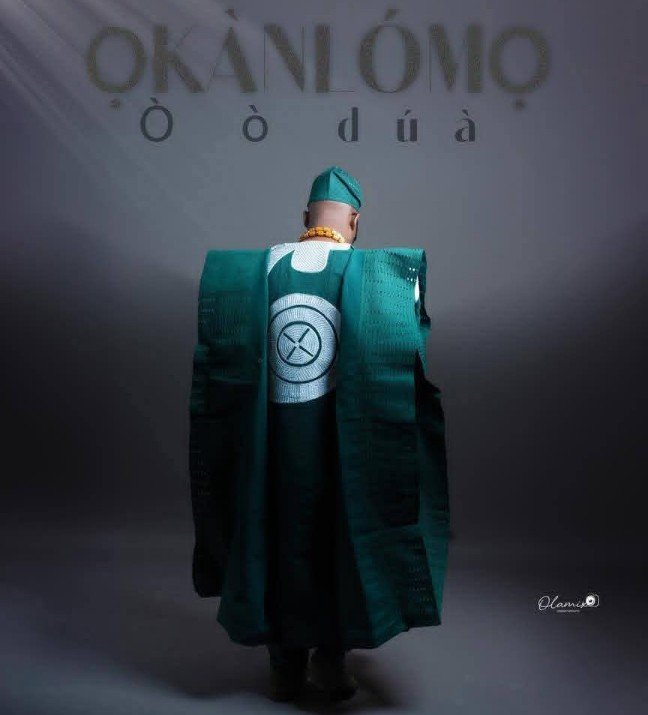
•Abiola is the personal media aide to Okanlomo Oódua, Chief Jubril Dotun Sanusi.