









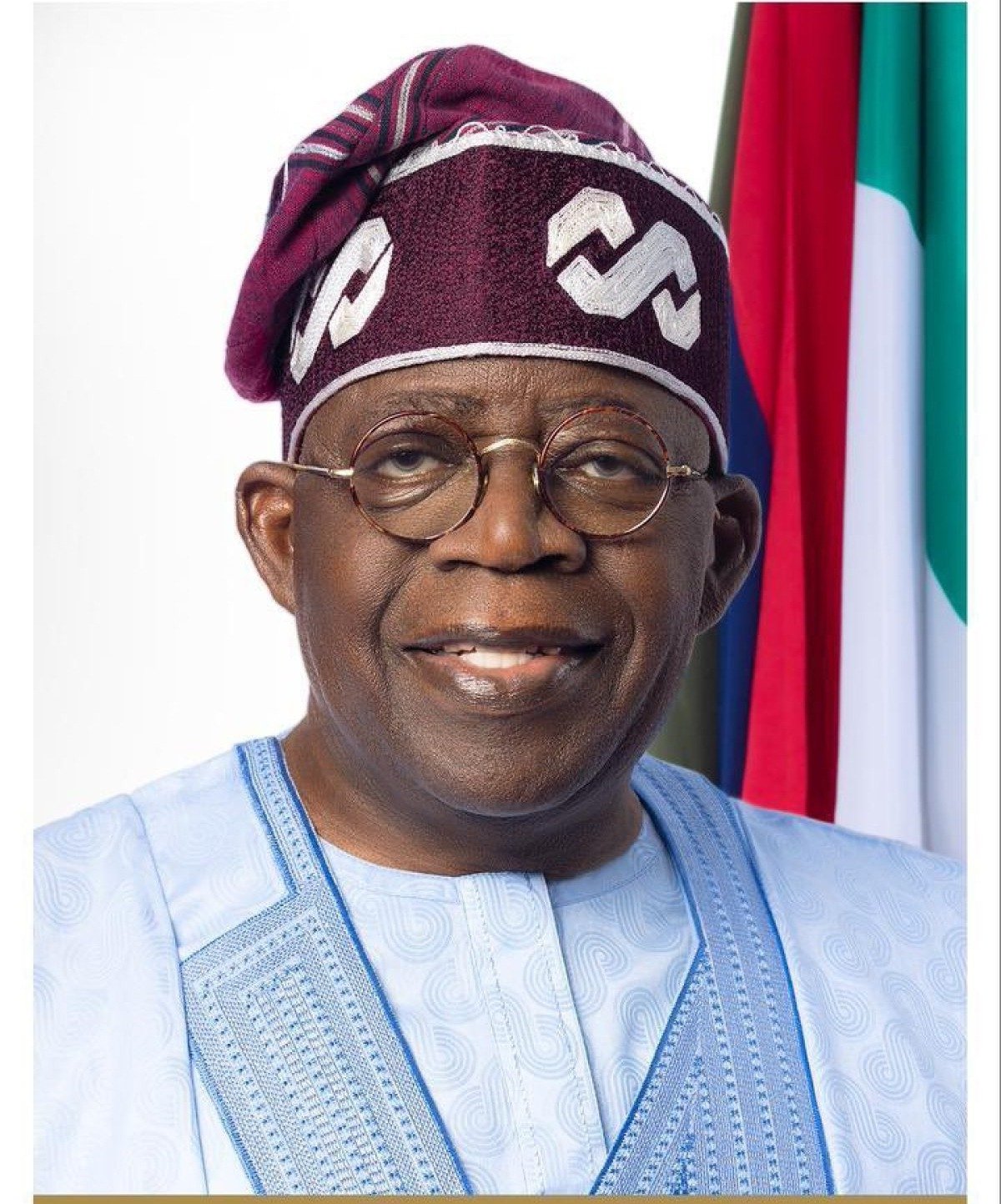
“Tinubu’s government produces more crude oil than Buhari’s, yet fiscal outcomes have worsened. This is a textbook case of policy incoherence.”
The Minister of Health, Professor Ali Pate, disclosed on Monday that although ₦218 billion was appropriated to the Federal Ministry of Health in the 2025 budget, only ₦36 million, approximately 0.02 per cent, was released for capital expenditure.
What should have been an administrative embarrassment has instead laid bare a deeper pathology, systemic fiscal dysfunction. This mirrors 2024, when barely 15.06 per cent of capital allocations were disbursed.
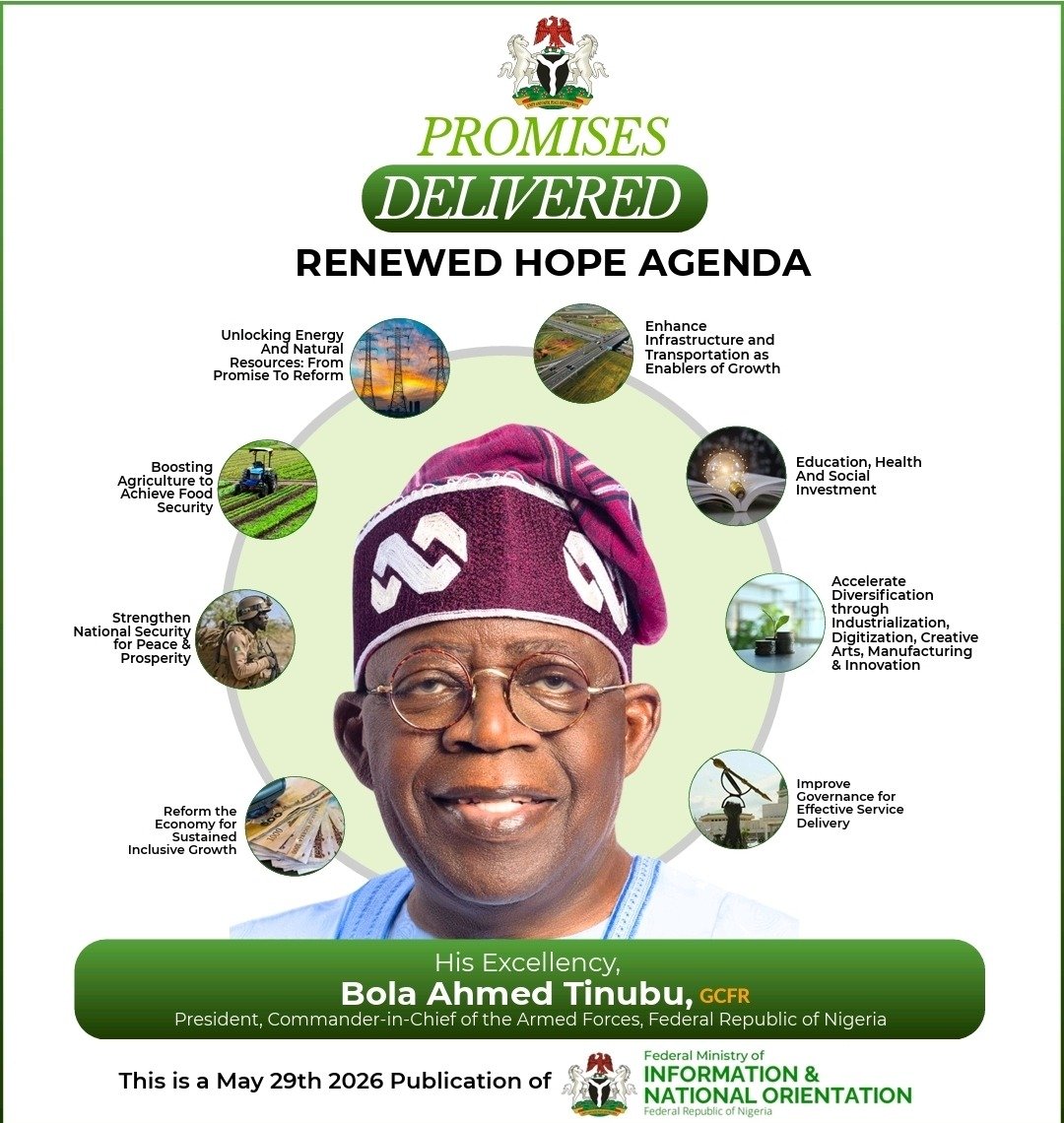
Even more troubling is the Federal Government’s decision to roll over 70 per cent of the 2025 capital budget into 2026, effectively abandoning the principle of annual fiscal discipline.These are not statistical anomalies they are symptoms of structural economic failure.
Nigeria currently expends between 69 and 72 per cent of generated revenue on debt servicing. In practical terms, nearly seven out of every ten naira earned are transferred to creditors before a single road is constructed, a hospital equipped or a classroom rehabilitated.
Economists describe this as acute fiscal crowding-out, whereby debt obligations and recurrent consumption systematically displace productive capital investment.
The recent praise from World Bank Managing Director of Operations, Anna Bjerde, for President Bola Tinubu’s economic reforms describing Nigeria as a “global reference point” for steady, disciplined and courageous implementation over the past two years rings hollow when juxtaposed against the country’s dire fiscal reality.
Anna Bjerde notably sidestepped the elephant in the room debt servicing devouring 69-72 per cent (and sometimes over 100 per cent when combined with personnel costs) of federal revenue. This extreme ratio far exceeds sustainable benchmarks for developing nations (ideally under 10-15 per cent, with 14-23 per cent as distress thresholds in low-income
The developmental consequences are severe. Capital expenditure underpins long-term growth by expanding productive capacity, strengthening human capital, and improving public services.
When it is persistently deferred, healthcare delivery weakens, energy deficits deepen, transport networks decay, and social mobility stagnates. Nigeria is effectively mortgaging its future to service yesterday’s liabilities.
Equally culpable is the National Assembly which has abdicated its constitutional oversight responsibility. A legislature that approves ambitious budgets yet fails to enforce execution has reduced itself to a ceremonial rubber stamp.
There are no sanctions for MDAs delivering less than one per cent of approved projects; no rigorous interrogation of cash-planning practices and no accountability for perpetual roll-overs.
More troubling are the political economy dynamics within the Tinubu administration. Why should Wale Edun, the substantive Minister of Finance, be side-lined in favour of a Minister of State, reportedly because he disagreed with Mr President over revenue collection strategy, even when his position was accurate in regards to revenue generation of 2025.
Subsidy has been removed
Dangote Refinery is producing. Crude oil output has reportedly improved. In theory, these conditions should have eased pressure on foreign exchange demand. Yet the naira remains fragile, inflation elevated, and dollar scarcity persistent. Despite unprecedented monthly FAAC distributions, public finances remain strained.
This suggests a deeper dysfunction of rent-seeking fiscal culture in which scarce public resources are diverted into speculative dollar hoarding rather than productive investment. What we are witnessing resembles a banditry economy where liquidity is captured, not deployed. Subsidy is gone, Petroleum Motor Spirit (PMS) pump price has surged; borrowing continues unabated and living standards are collapsing.
Tinubu’s government produces more crude oil than Buhari’s, yet fiscal outcomes have worsened. This is a textbook case of policy incoherence. Government should stop misleading citizens with headline “rebate” statistics and nominal indicators. The true benchmark is purchasing power parity and real household welfare.
Are Nigerians better off today than four years ago?
Nigeria now operates a budgetary theatre where figures serve optics, while execution is hostage to liquidity crisis.
•Aduwo is the Permanent Representative of Centre for Convention on Democratic Integrity (CCDI), a non-profit organisation registered with Nigeria and the United States, with Consultative Status of ECOSOC/United Nations.