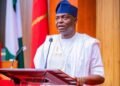















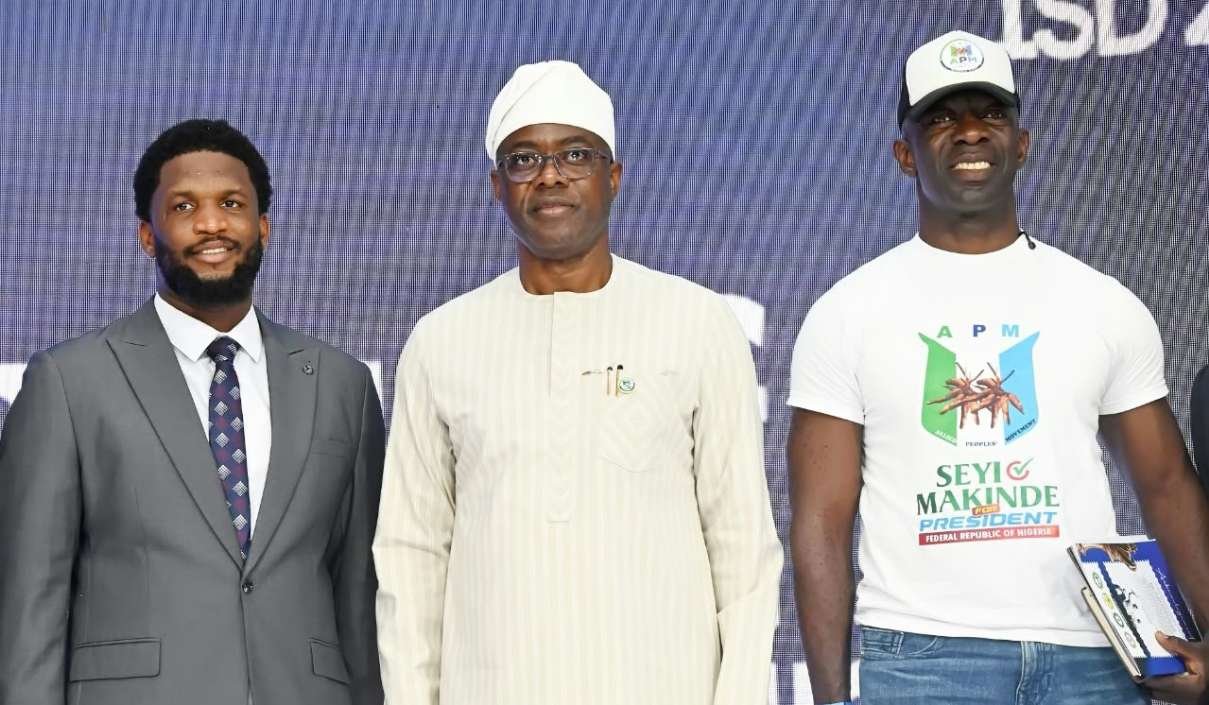
Oyo State governor and presidential candidate of the Allied Peoples Movement (APM), ‘Seyi Makinde, has unveiled his Education Reset Agenda, calling for a fundamental transformation of Nigeria’s education system.
Makinde and his education reset agenda

PHOTO: Oyo Gov’s Media Unit.
He insisted that graduates must be equipped with practical, industry-relevant skills that can translate into employment, entrepreneurship and sustainable livelihoods.
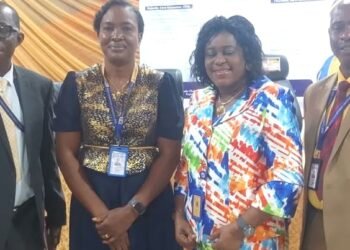
Makinde stated these at the 2026 International Students’ Day celebration and Students’ Leadership Conference, held on Wednesday at the International Conference Centre, University of Ibadan, Ibadan.
The conference was organised by the Oyo State Government through the Office of the Senior Special Assistant to the Governor on Students’ Affairs, with the theme “Legacy of Leadership: Inspiring the Next Generation.”
Speaking at the gathering, Makinde stated that his personal experience of Nigeria had been positive, expressing his desire to create similar opportunities for other Nigerians, particularly young people.
According to him, this aspiration informed his proposed Education Reset Agenda, which he said seeks to bridge the gap between academic qualifications and the demands of the labour market.
The governor explained that his vision was to build an educational system where students would graduate with the relevant competencies to secure employment, establish businesses and contribute meaningfully to the economy.
He advocated stronger partnerships between educational institutions, employers and industry practitioners, noting that the skills required by employers should influence the design of academic curricula.
Makinde also pledged to retain the Federal Government’s student loan initiative, particularly the Nigeria Education Loan Fund (NELFUND), if elected president, describing it as a policy worth sustaining.
He, however, argued that the country must develop an economy where parents can adequately finance their children’s education and graduates can secure jobs to repay loans obtained during their studies.
On national security, the governor advocated a country where citizens could move freely without fear of harassment, intimidation or violence, stressing the need for better coordination between federal and state policing institutions.
He also urged students to take an active interest in the political process, encouraging them to obtain their Permanent Voter Cards (PVCs), mobilise eligible voters and reject financial inducements capable of compromising their electoral choices.
Makinde linked his proposed national transformation agenda to the 2027 political process, declaring that the Nigeria of his dreams was achievable if citizens made the decision to reset the country.
In his keynote address, renowned historian and academic, Professor Toyin Falola, challenged Nigerian students to understand the historical circumstances shaping Africa’s development and take responsibility for addressing the continent’s challenges.
Falola identified several contradictions confronting African societies, including what he described as resources without development, education without knowledge, certificates without jobs and work without wages.
He argued that Africa’s development challenges could not be attributed exclusively to internal leadership failures, noting that historical and external economic factors had also contributed to the continent’s difficulties.
The professor of History urged young Nigerians to embrace intellectual development, integrity, innovation and technological literacy, warning against examination malpractice and other practices capable of undermining their future.
He also called for the establishment of innovation incubators by governments and universities to enable students to develop ideas into viable products and businesses.
Falola further encouraged students to acquire professional certifications, take advantage of digital opportunities and develop the emotional intelligence required to work effectively with others.
He maintained that young people had important roles to play in national development and should not allow ethnic and religious divisions to undermine their collective interests.
The conference also witnessed political engagement, as students drawn from indigenous student associations across Oyo State endorsed the governorship candidacy of the APM candidate, Hon. Bimbo Adekanmbi.
The students, under the umbrella of the Federation of Oyo State Students (FOSU), presented Adekanmbi with a certificate of endorsement, pledging to mobilise support for his ambition ahead of the 2027 governorship election.
They based their decision on his proposed education programmes and their assessment of the current administration’s interventions in the education sector.
The conference brought together students, academics, political figures and other stakeholders to examine leadership, education, youth development and the responsibilities of the next generation in shaping Nigeria’s future.