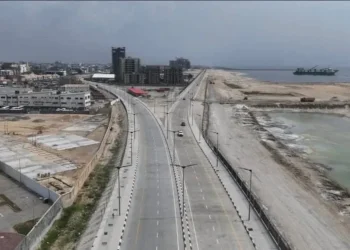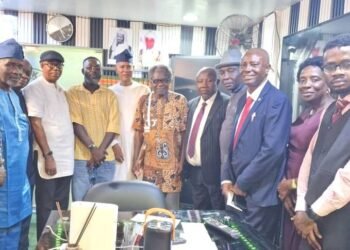


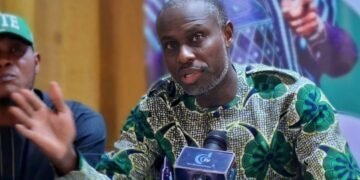








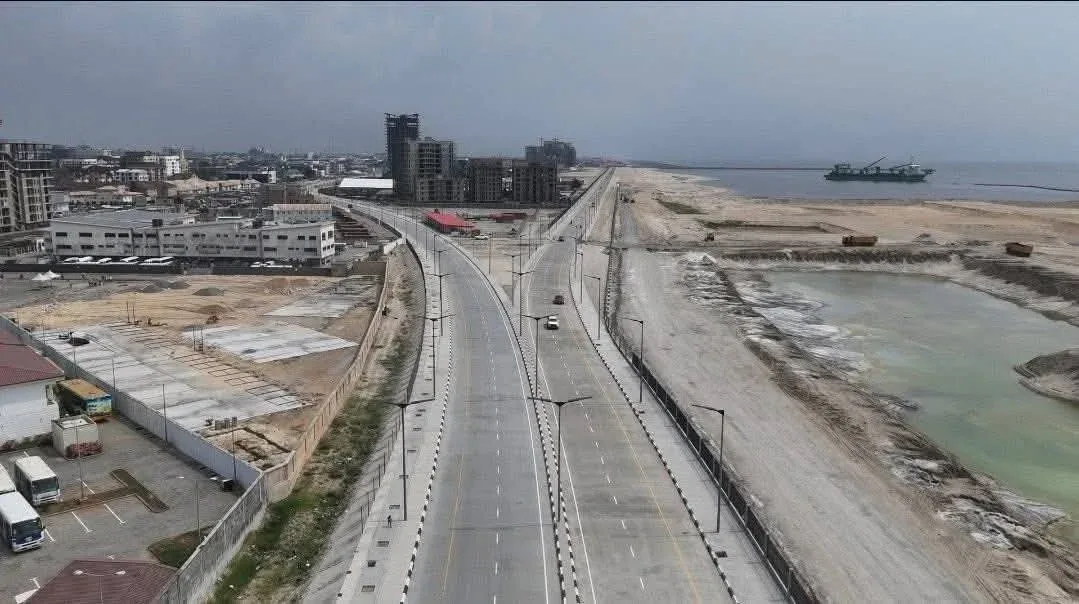
A group, the Ilaje Omuro Community Connect (IOCC), has said there is nothing wrong with the Ilaje coastline, rejecting what it described as “any self-serving diversion of the Lagos-Calabar Coastal Highway.”
IOCC, Ilaje Coastline and the Lagos-Calabar Coastal Highway
The group unequivocally declared that there was nothing inherently wrong with the Ilaje coastline to justify diverting the Lagos–Calabar Coastal Highway away from its originally designed alignment for selfish interests or political calculations.
The group made this known in a press release, on Monday, by B.A Omobone Esq.

“Our position remains clear: development should connect communities, not exclude them; infrastructure should unlock opportunities, not deepen marginalisation,” it declared.
IOCC, while stating that Ilaje people were not opposed to progress, demanded for what it described as “a fair and just alignment that recognises our terrain, respects the original project design, and protects our economic future.
“No selfish diversion. No political marginalisation. No exclusion of the Ilaje coastline. Let justice, sound engineering, and the public interest prevail!,” it declared.
IOCC stated that it was standing firm for coastal justice, inclusive development, and the future of the Ilaje Nation.
“The coastal road must serve the people and the nation, not narrow political interests.
“Any alteration to its original alignment must be supported by transparent technical assessments, verifiable engineering considerations, and the overriding public interest—not decisions that may marginalise coastal communities or deny them their rightful share of national development,” it added.
The group called President Bola Tinubu and the Federal Government to ensure fairness, transparency, and justice in the implementation of this historic project.
“The people of Ilaje, Ese-Odo, and the wider Ondo State coastline deserve meaningful inclusion in a road project whose benefits should extend across the nation’s coastal belt,” it declared.
The organisation maintained that the Ilaje coastline was richly endowed with enormous economic potential, strategic geographical advantages, and opportunities for tourism, maritime activities, trade, employment, and regional development.
“Rather than treating the terrain as a disadvantage, the government should recognise it as an opportunity for transformative infrastructure and inclusive economic growth.
“ON ABURI, WE STAND!,” the group further stated.
IOCC had, in a press release issued on 10 October, 2026, tasked the Minister of Work, Senator David Umahi, asking for justice and equity over alleged misrepresentation and irregularities surrounding the diversion of the Lagos-Calabar Coastal Highway.
The group made the call for justice in the release, titled “Lagos-Calabar Coastal Highway: A Call for Justice, Equity, Transparency, and Accountability for the Ilaje People.”
IOCC, a community-based organisation with over 1,000 members of Ilaje extraction, had stated that it has been closely monitoring the developments, public statements, and media reports surrounding the alleged diversion of the coastal highway from its originally-proposed route through the Ilaje coastline in Ondo State.
The group spokesperson, B. A. Omobone Esq, declared that IOCC stands for justice, equity, transparency, and sustainable development of the Ilaje coastal communities.
It expressed deep concern over the explanations and justifications reportedly emanating from the office of Senator Umahi, regarding the decision to alter the originally proposed route of the critical national infrastructure project.
The group stated that, as an organisation committed to justice, fairness, equity, and the protection of the collective interests of the Ilaje people, it can no longer remain silent in the face of what it consider serious questions that demand clear answers, independent scrutiny, and transparent public accountability.
“The issue at stake is not merely the construction of a road; it is a question of fairness, economic inclusion, environmental protection, and the right of the Ilaje people to benefit equitably from a major national development project.
On the question of terrain, IOCC challenged the Minister of Works to explain why the terrain of Ilaje Local Government Area was being presented as a major obstacle to the construction of the coastal highway.
It stated that it was imperative to ask Umahi the question, particularly as road projects have previously been undertaken in the same geographical environment.
“We therefore invite the public to ask the minister a fundamental question..
How was the Ondo State Oil Producing Areas Development Commission (OSOPADEC) able to undertake road construction from Igbokoda to Ugbonla within the same general terrain that is now being cited as a significant challenge to the coastal highway project?”
The group called the attention of the minister to the fact that the Niger Delta Development Commission (NDDC) reportedly awarded a road construction contract in 2010 for the Ugbonla–Awoye axis, also within the Ilaje coastal environment.
“These previous and reported interventions raise legitimate questions about the technical feasibility of road construction in the area.
“If roads can be constructed within the Ilaje coastal environment, what specific engineering, geological, environmental, or financial considerations make the proposed coastal highway route impracticable?
“The Ilaje people deserve answers supported by verifiable technical evidence, not explanations that leave room for speculation and public distrust,” IOCC stated in the release.